Cool Ad Watch

by Chris Bodenner

seth-taras_history_know_normandys

EDW Lynch has details:

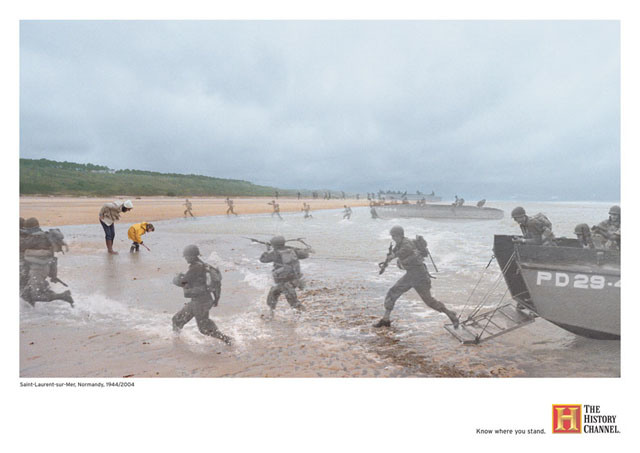
Photographer Seth Taras created then and now composites out of famous photos of momentous historical events for the 2004 “Know Where You Stand” ad campaign for the History Channel. The campaign was orchestrated by the Ground Zero ad agency and included four tv spots.

Roger Ebert RIP

by Chris Bodenner

Independent Spirit Awards

From a September 2011 essay by the great film critic:

I know it is coming, and I do not fear it, because I believe there is nothing on the other side of death to fear. I hope to be spared as much pain as possible on the approach path. I was perfectly content before I was born, and I think of death as the same state. I am grateful for the gifts of intelligence, love, wonder and laughter. You can’t say it wasn’t interesting. My lifetime’s memories are what I have brought home from the trip. I will require them for eternity no more than that little souvenir of the Eiffel Tower I brought home from Paris.

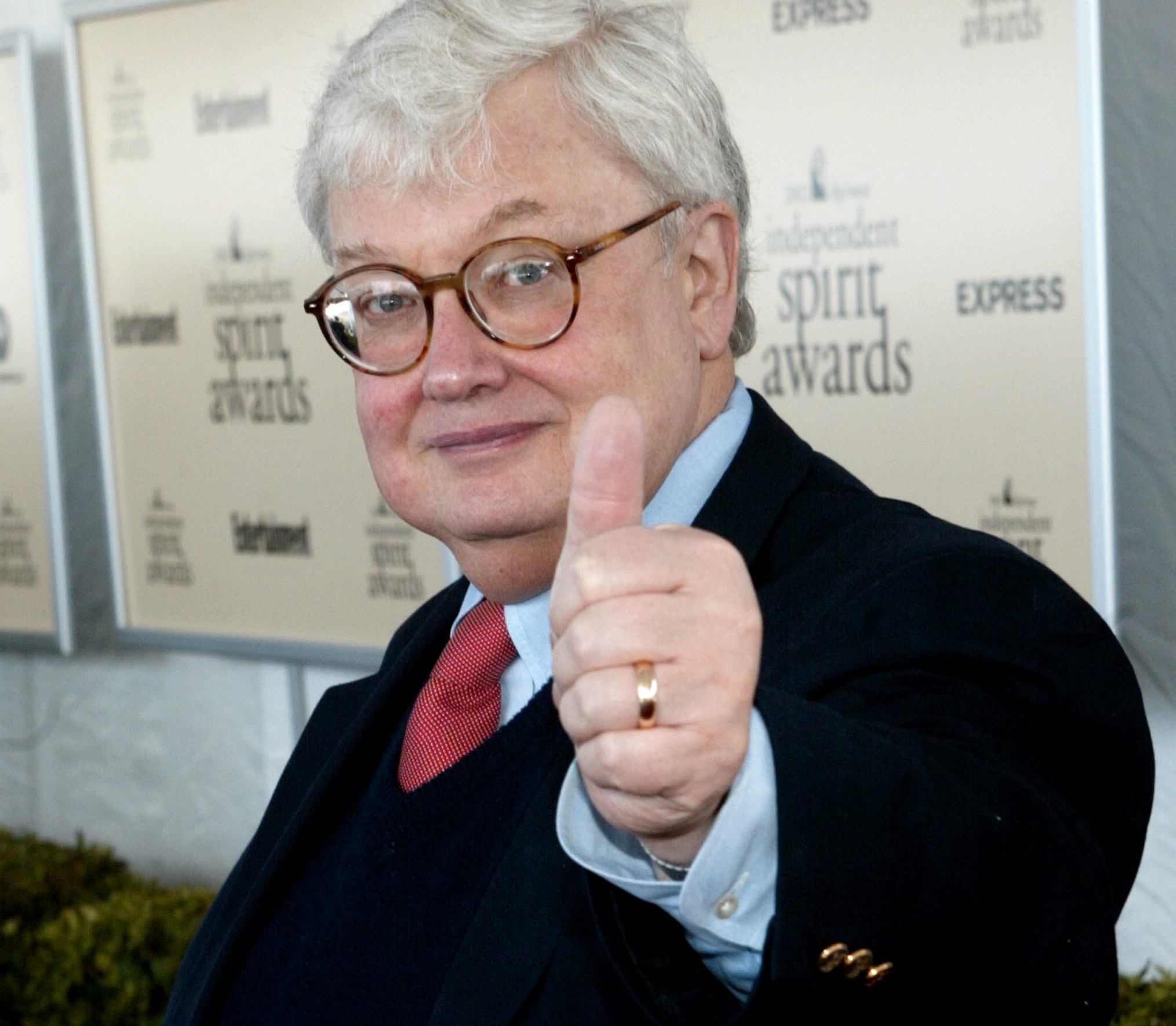
(Photo: Film critic Roger Ebert attends the 2002 Independent Spirit Awards in Santa Monica, California on March 23, 2002. By Frederick M. Brown/Getty Images)

Face Of The Day

by Chris Bodenner

SKOREA-US-NKOREA-MILITARY

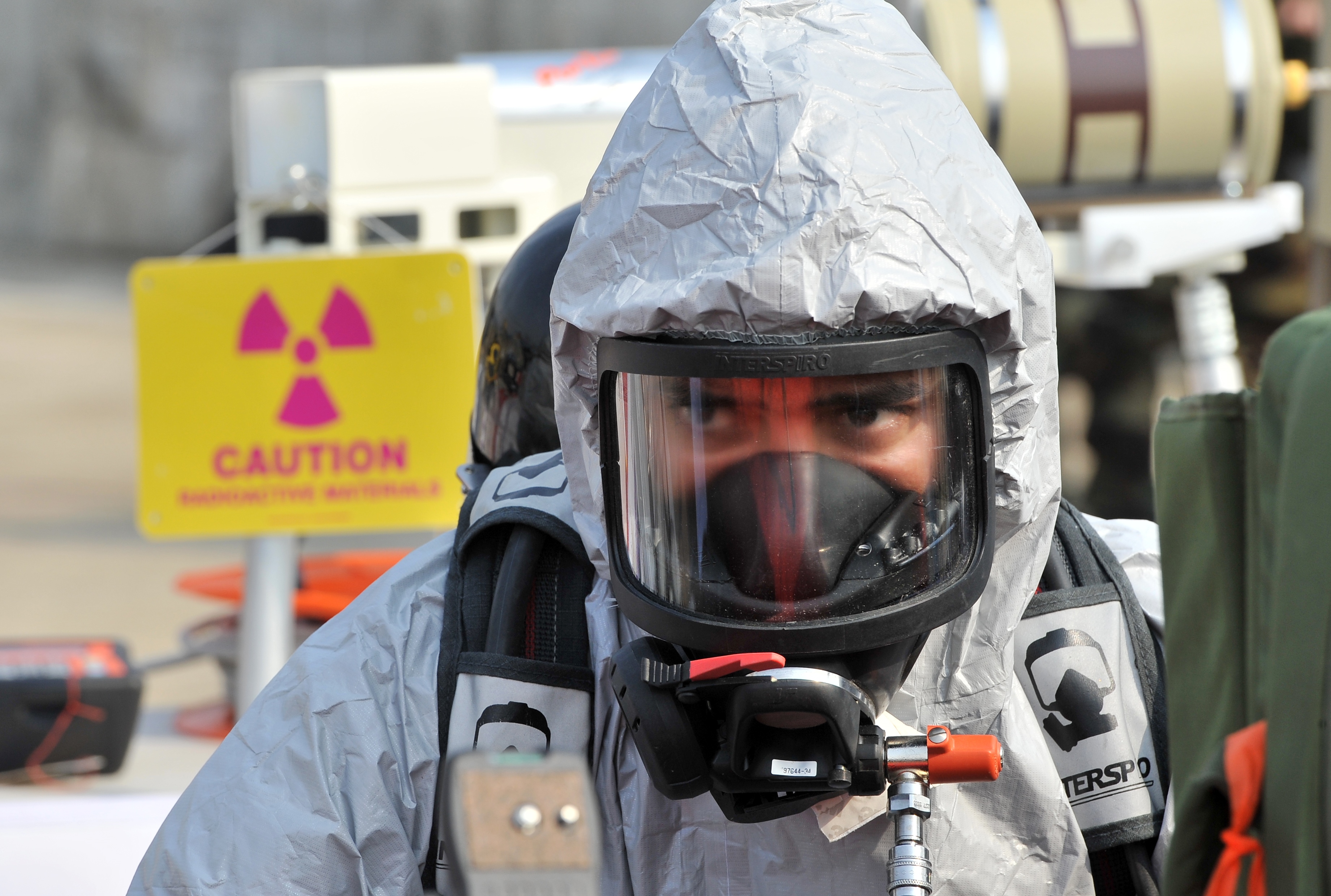
A soldier of the US Army’s 23rd Chemical Battalion wears protective gear to give a demonstration of their equipment during a ceremony to recognise their official return to the 2nd Infantry Division located in South Korea, at Camp Stanley in Uijeongbu, north of Seoul, on April 4, 2013. The 23rd Chemical Battalion left South Korea in 2004 but the battalion with about 250 soldiers returned to the South in January 2013. The battalion will provide nuclear, biological and chemical detection, equipment decontamination and consequence management assistance to support US and South Korean military forces. By Jung Yeon/AFP/Getty Images.

Bruce’s Bromance

by Chris Bodenner

Bruce Springsteen

A reader builds off this post:

Whenever I hear discussions about high-profile men jokingly (or not?) expressing sexual attraction to other men, I’m always curious that no one mentions Bruce Springsteen. To most people, obviously, Bruce is the pure embodiment of unfettered American masculinity. And yet for the 40 years he played beside Clarence Clemons, until Clemons’ death in 2011, the two men had this clearly intense, complicated relationship that was enacted and re-enacted every night onstage – culminating in a long, deep kiss on the mouth – without irony or camp, just pure, exuberant love between two men, without a need to be defined as straight or gay.

See it here, in a series of quite touching and beautiful photos. There’s also a fleeting shot of it live, in the official “Born to Run” video, at about 0:18. (Though note that commenters continue to feel the need to provide the “NOT gay” disclaimer.) Of course, both men married women (multiple times each) and have large families. Who knows and who really cares what their sexuality is? I think it’s sort of beside the point. More interesting to me is the sheer intensity of their love and their fearlessness in expressing it without the need to declare, “Of course we’re both straight!”

To the contrary, when Clemons described the kiss in 2009, he didn’t bother to mention sexual orientation:

It’s the most passion that you have without sex. Two androgynous beings becoming one. It’s love. It’s two men – two strong, very virile men – finding that space in life where they can let go enough of their masculinity to feel the passion of love and respect and trust. Friendships are based on those things, and you seal it with a kiss.

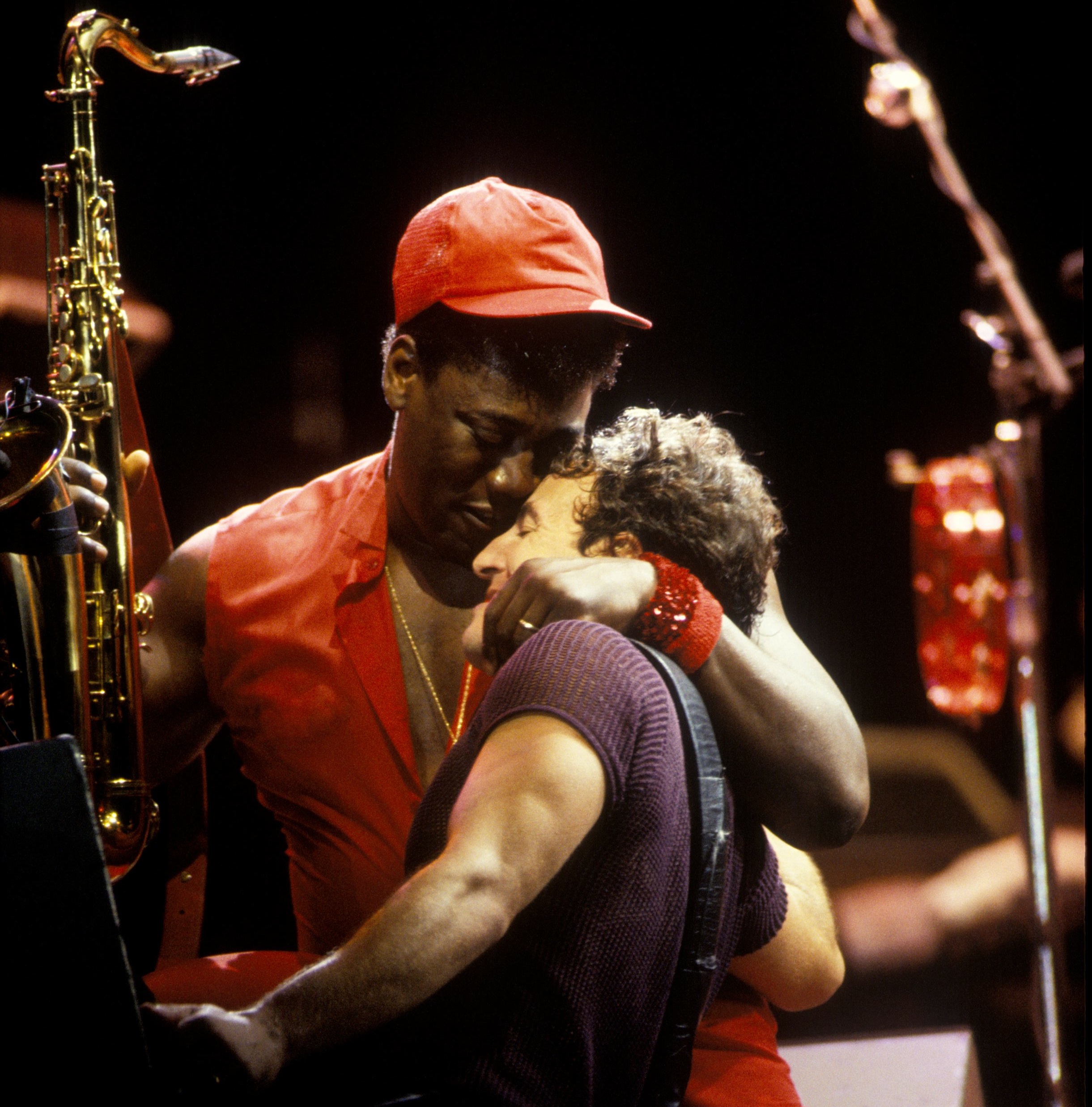
(Photo: Clarence Clemons and Bruce Springsteen of the E Street Band embrace while performing on stage in Los Angeles c.1981. By Richard E. Aaron/Redferns)

Sully Bait

by Chris Bodenner

Many readers are flagging this news – the formation of a PAC called the Bearded Entrepreneurs for the Advancement of a Responsible Democracy (BEARD). Money quote:

“It’s been 125 years since our last bearded President, Benjamin Harrison, was elected. We’re hoping that with our support, bearded individuals will shrug off over a century of political irrelevance and start running for office again.”

Update from a reader:

The news about the PAC has even more Sully Bait than I expected. If you go to Jonathan Sessions’ web site (he’s the founder of the PAC), and then go to his link about upgrading from IE, you’ll find his 404 page with a lovely picture of beagle puppies. What’s better than that?

Bearded beagle puppies?

Ask Andrew Anything: What Made You Turn Against The Iraq War?

by Chris Bodenner
[vimeo http://www.vimeo.com/63292312 w=580&h=326]

The article about missing WMDs that Andrew refers to, “So Where Are They?”, is here. A key passage:

The third explanation is that our intelligence was radically wrong – or politically manipulated for effect. It certainly wouldn’t be the first time that U.S. and British intelligence got things wrong, although in many cases, such as North Korea or India, they have erred in the direction of complacency. Or it could be that the range of possibilities discovered by intelligence was presented by the politicians in the worst possible light so as to win public support. I’ve no doubt that was partly the case. That’s what politicians do. They make a case based on evidence. Others were free to make alternative cases, and they did. Currently, we simply don’t know what happened either in intelligence gathering or the political use of the data. But we should. After a decent period of time to gather all the possible evidence, there should indeed be a thorough inquiry into whether and how the case for Saddam’s imminent WMD threat was made.

But in some ways, these matters, while important, still don’t get to the heart of the matter. The fundamental case for getting rid of Saddam was not dependent on the existence of a certain amount of some chemical or other.

It was based on a political and military judgement. Once the threat from Islamist terror was self-evident, it would have been irresponsible for any political leader to ignore the possibility of a future attack with WMDs. It was and is the obvious next step for an operation like al Qaeda. Further, the war against terror, from the beginning, was always directed not simply at terrorist groups, but at the states that aided and abetted them. The key point is that Saddam’s Iraq was a clear and present danger in that context. What mattered was not whether at any particular moment Saddam had a certain specifiable quantity of botulinum toxin. What mattered was his capacity to produce such things, his ability to conceal them, and his links to terrorists who could deploy them. No one can doubt that he had had them at one point, was capable of producing them, and was linked to groups who would be only too happy to use them. That was and is the case for getting rid of him. It’s as powerful now as it was in January.