The Math On The Medicaid Expansion

Ezra unpacks the ACA enrollment numbers:

The exchange numbers are solid. You can trust those. … But the Medicaid numbers are more complex. Each state runs its own count, and the data includes people who enrolled in Obamacare’s Medicaid expansion as well as people who were eligible under prior law. To the Obama administration’s annoyance, some states are also counting people who’re simply renewing existing Medicaid policies.

A lot of the 4.4 million people who got coverage under Medicaid in the last few months got it from Obamacare’s Medicaid expansion. Even more would’ve gotten it if all the states were participating in Obamacare’s Medicaid expansion. But some simply got coverage under the preexisting Medicaid program.

By Sean Trende’s rough estimates which, he admits, “may be off by a fair amount (in either direction),” only 190,000 of those 4.4 million were newly eligible:

[S]everal states that expanded Medicaid advertised this fact heavily and probably attracted a disproportionate number of people who were already eligible for Medicaid but didn’t know it. While it’s probably fair to attribute these enrollees to Obamacare, they would keep their coverage in the event of a repeal, and might not figure heavily in November. Regardless, even if you double the estimate — which seems awfully generous — that’s only 380,000 new Medicaid enrollees due to Obamacare, a far cry from 4 million.

This makes intuitive sense. The states that expanded Medicaid were blue states, many of which already had more generous Medicaid programs. In other words, their baselines were higher, so we’d expect the number of newly qualified recipients to be lower than if, say, Texas had participated.


Quote For The Day

“Many of the most successful new content sites –Buzzfeed, Huffington Post, Gawker, Business Insider, and Glam Media, among them – are such an amalgam of aggregated content, partnership sharing agreements, pay per click modules, user generated contributions, and, as well, the blitherings of novice journalists (sometimes heralded as a return to long form), that it’s very hard, if not pointless, to separate real content from phony stuff,” – Michael Wolff.

But that’s the point, innit?

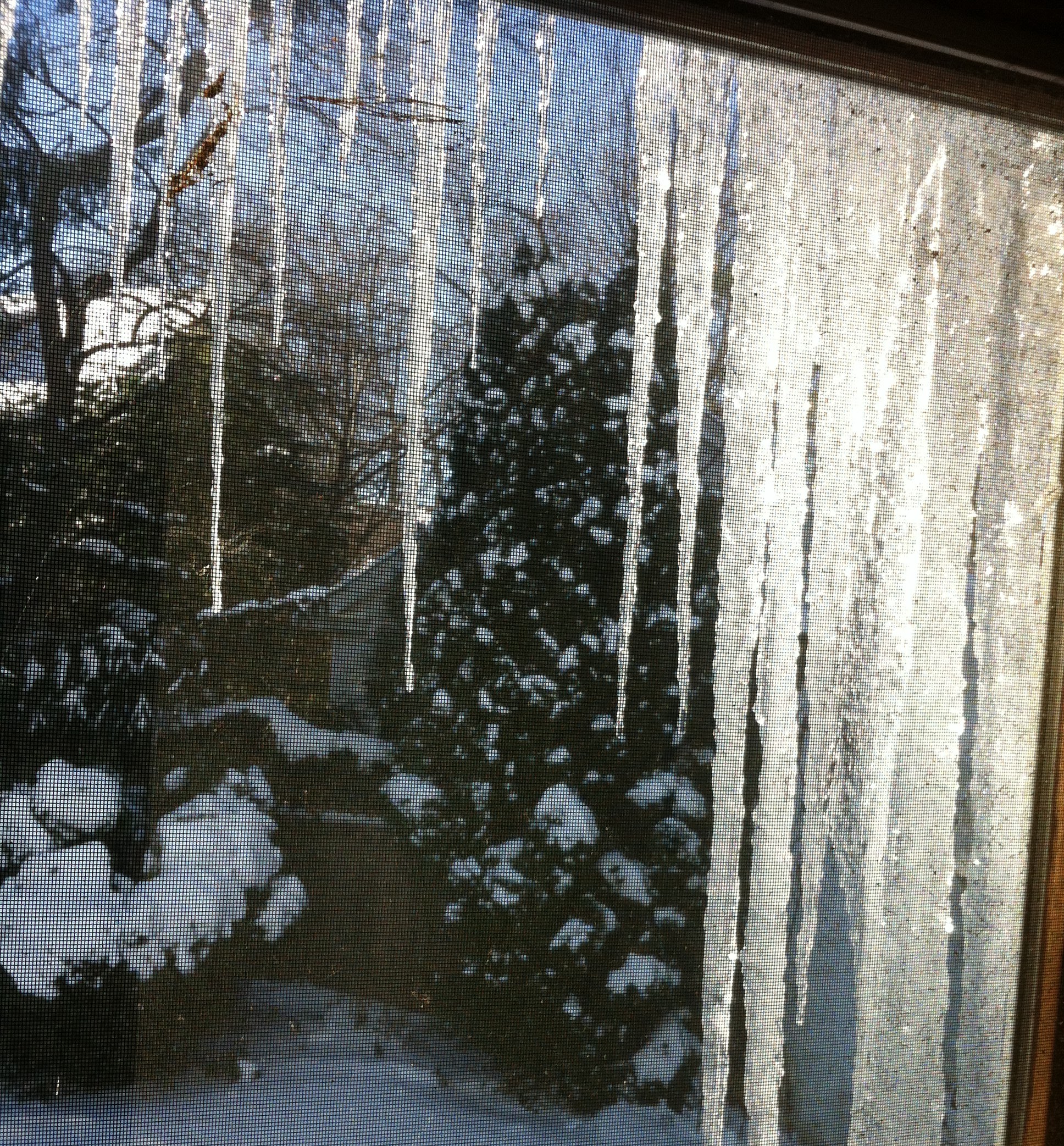
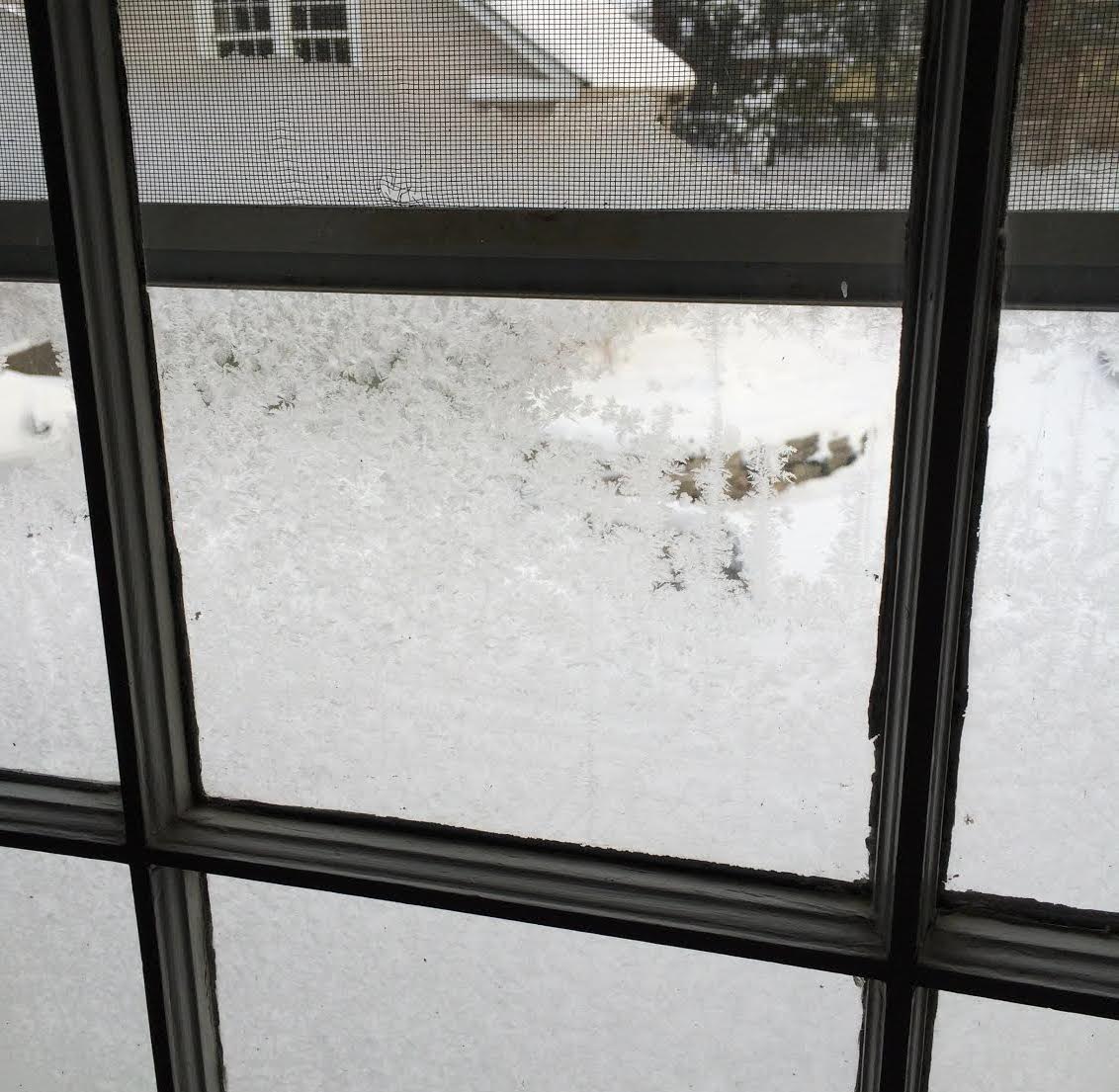
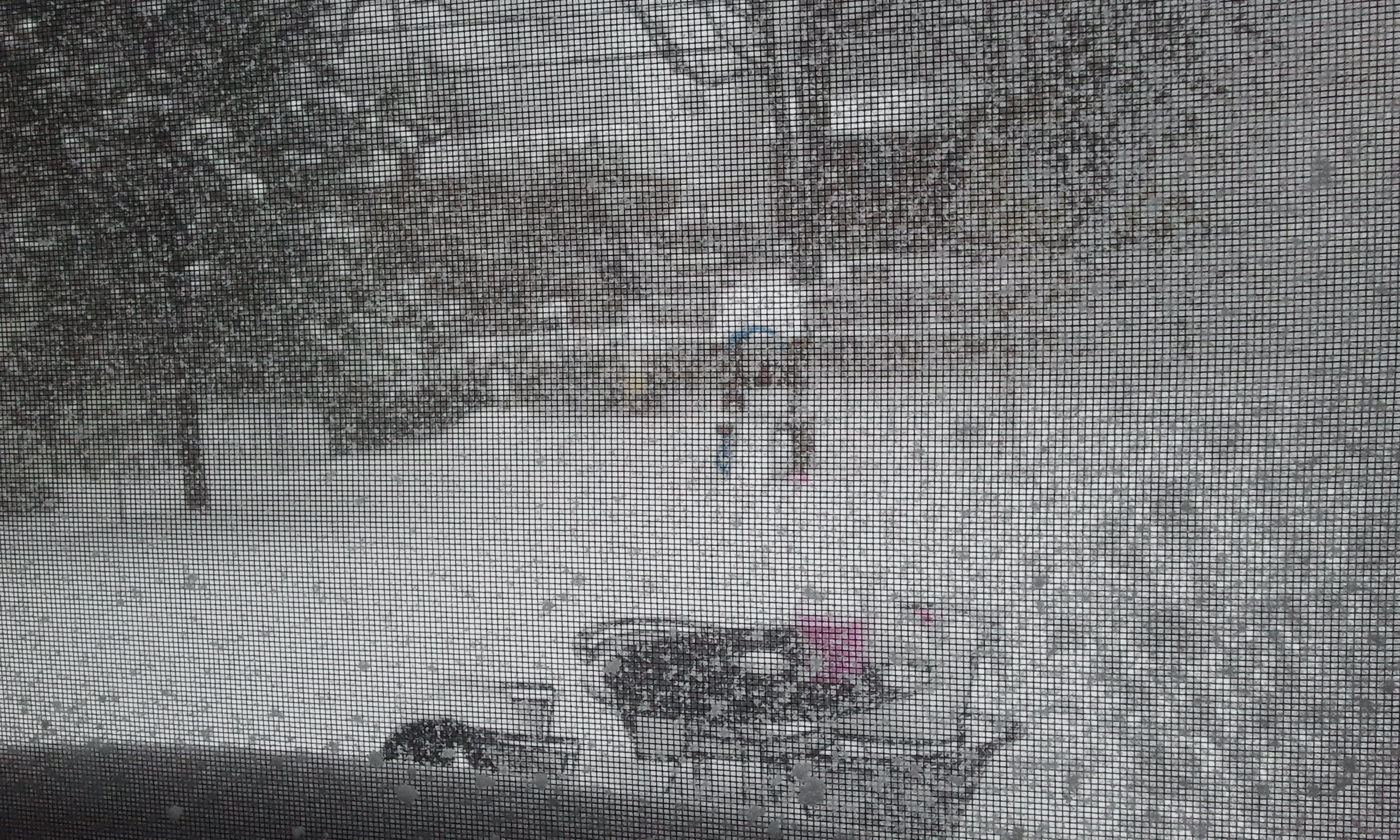
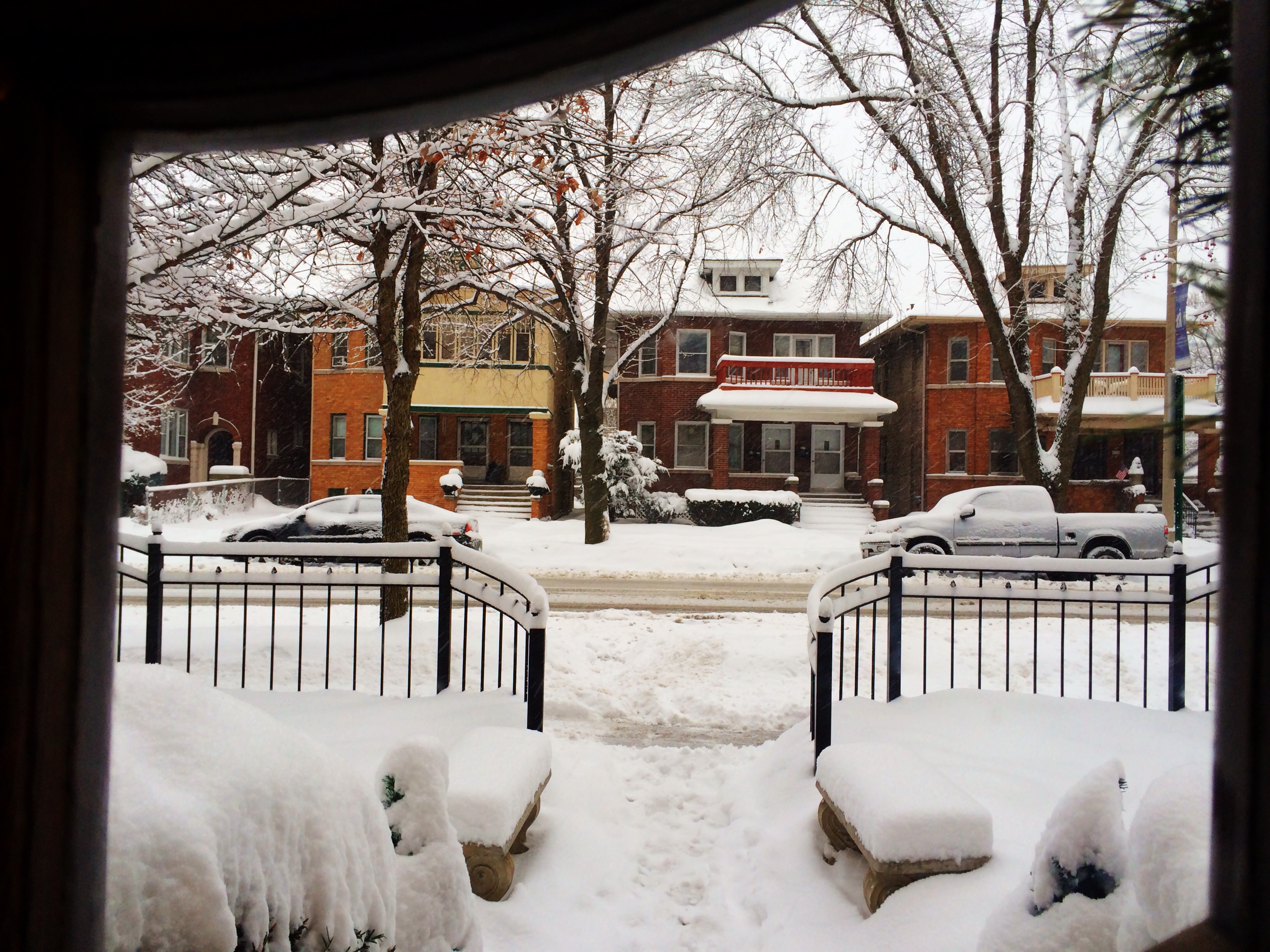
The View From Your Frozen Window

KONICA MINOLTA DIGITAL CAMERA

St. Paul, Minnesota, January 6th, 10.05 am, -19°. Many more scenes from the historic week after the jump:

Chiberia 013

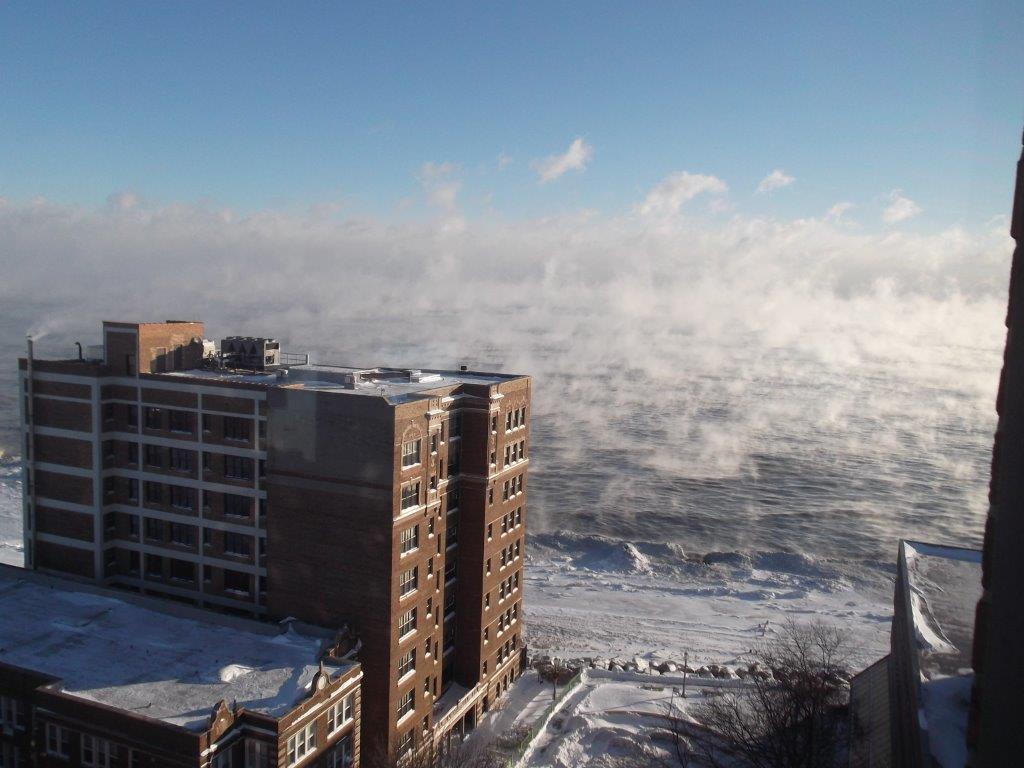
“The view from Chi-beria”, Illinois, January 6th, 9.47 am.

unnamed (1)

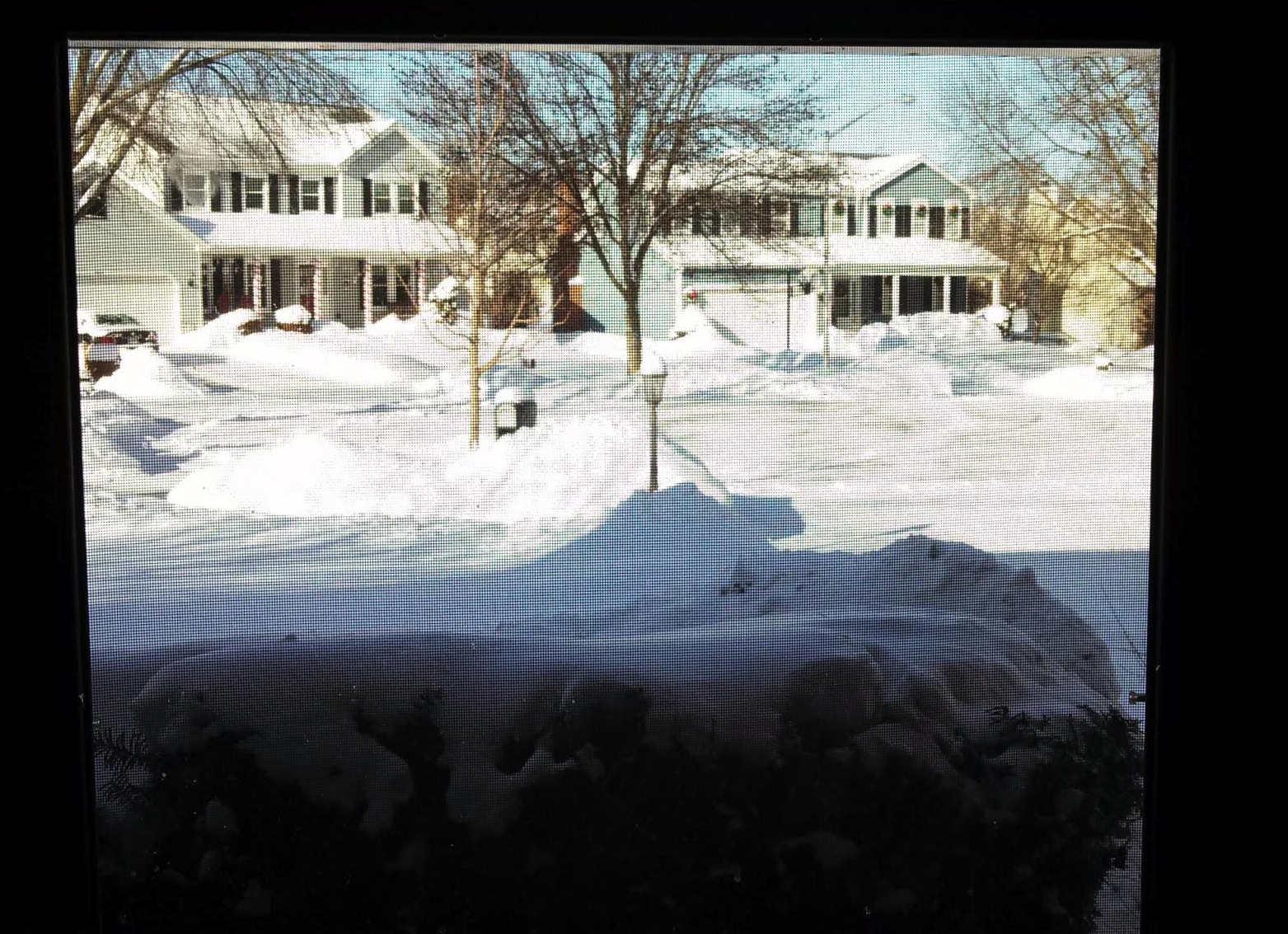
Schaumburg, Illinois, January 6th, 10.15 am. “About 25″ of snow, -14 degrees outside, and a wind chill of ‘I don’t even want to know’ below zero.”

0103141053a

Rochester, New York, January 3rd, 11.18 am, 3°

IMG_1486

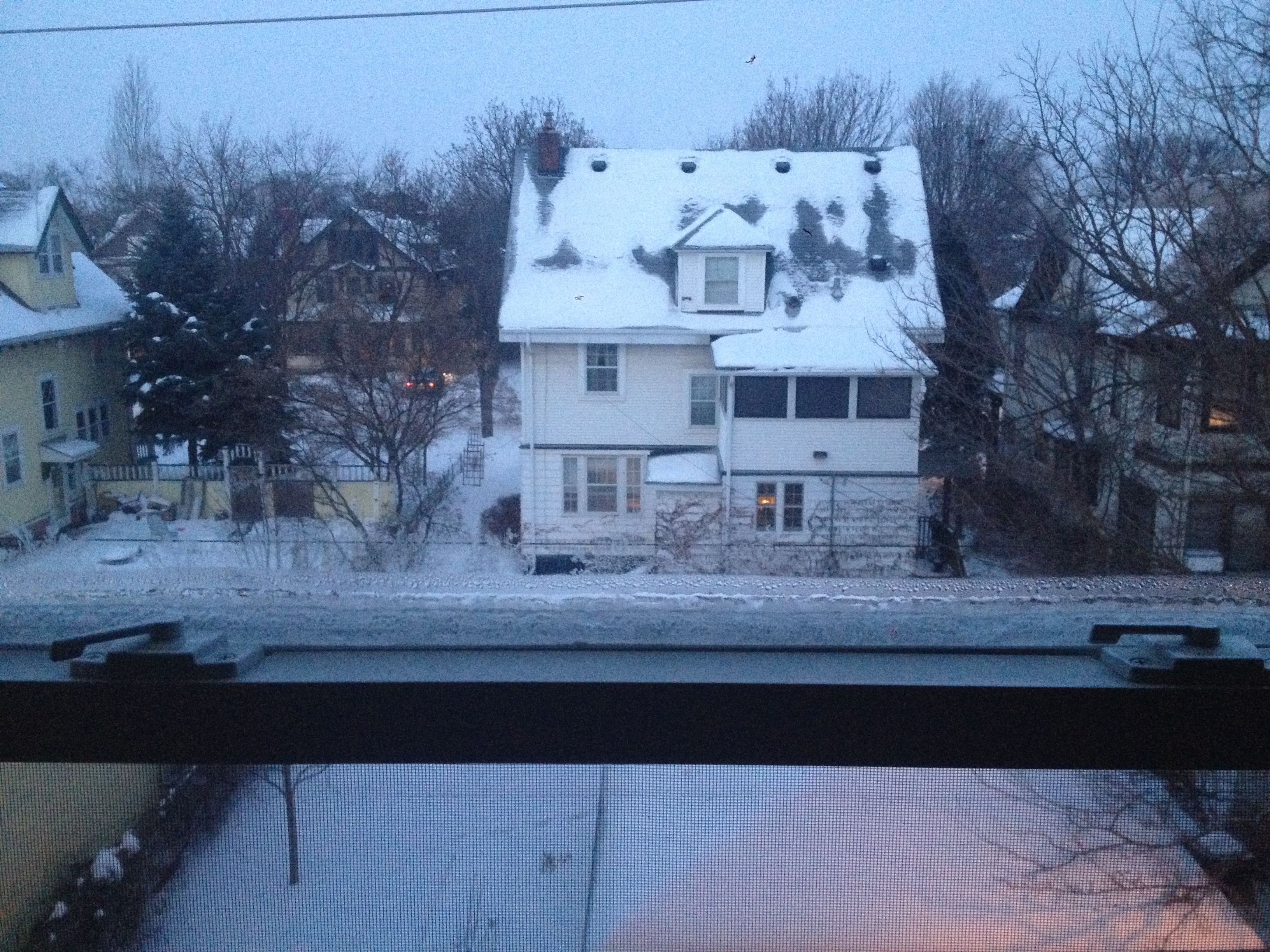
Minneapolis, Minnesota, January 6th, 9.03 am, -20°, -41° with wind chill

chicago-window-ice

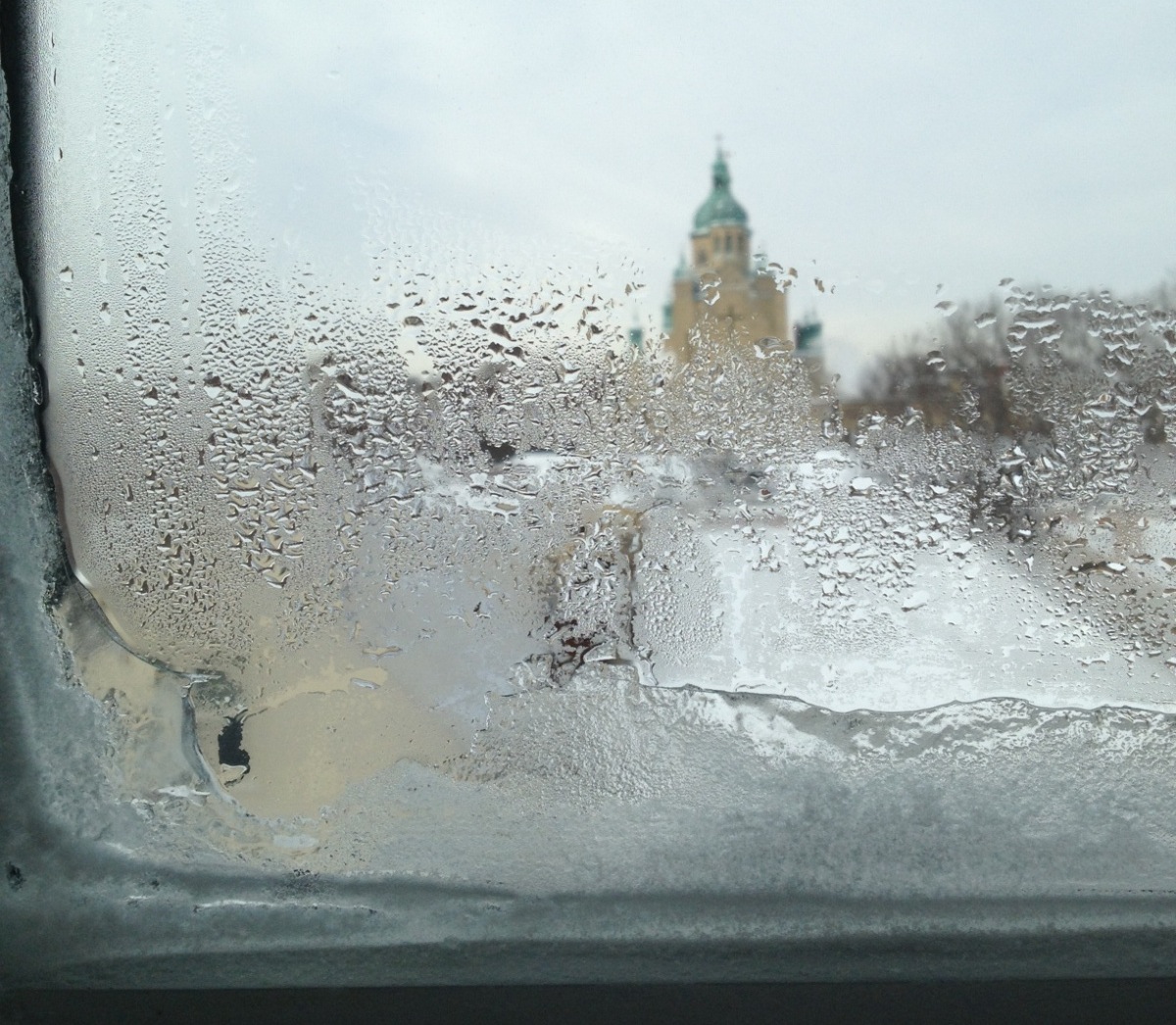
Chicago, Illinois, January 7th, 10.23 am. “Oh, that ice is on the inside.”

philly

Philadelphia, Pennsylvania, January 4th, 10.18 am

DSC_0602

Minneapolis, Minnesota, January 6th, 6.45 am

webster-groves-mo

Webster Groves, Missouri, January 7th, 8.30 am

brooklyn

Brooklyn, New York, January 3rd, 8.30 am

SAMSUNG

St. Louis, Missouri, January 5th, 2.38 pm

IMG_2346

Oak Park, Illinois, Janurary 5th, 7.42 am

P1100856

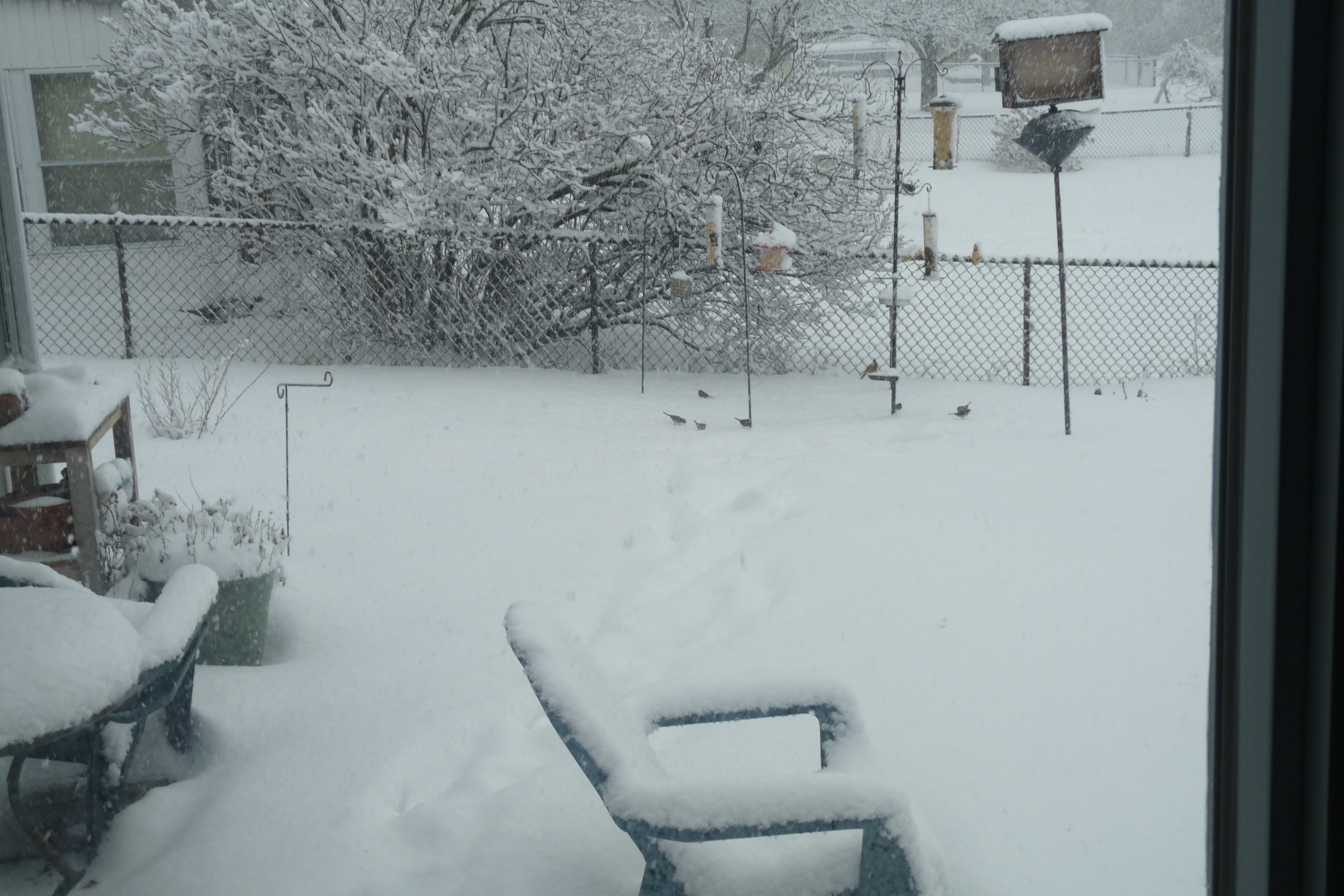
Decatur, Indiana, January 5th, 2.55 pm. “The snow is getting heavier in front of the arctic temperatures set to arrive tonight and tomorrow (-25° to -35° ). I put extra bird feed out for our feathered friends.”

view from front window 1.5.14

Cedar Bluff, Iowa, January 5th, 6.28 pm.  “Wind chill is at -21° and heading down.”

Exit Cheney, Far, Far Right, Ctd

Now that Liz has dropped her primary challenge against Wyoming senator Mike Enzi, citing a family member with health problems, Margaret Carlson hopes she’ll spend her free time mending fences with her sister:

Cheney’s ill-timed race hurt more than her career. Unless she’s made of stone, she has a deeper loss — her relationship with her sister, Mary, a lesbian, who took umbrage at her older sister’s opposition to gay marriage. Every election has one winner and at least one loser, but this one has a family that lost its privacy and comity. When her father, Dick Cheney, weighed in, he took sides, supporting the sister who was running and dissing the other one. Dad clarified that Liz felt sorry for Mary. Although Liz had “compassion” for Mary, he said, that shouldn’t be mistaken for approval. … If Liz has a sick family member, she has everyone’s compassion. This must have been a tough holiday season for the Cheneys; the sisters didn’t spend them together. Now the Cheneys have a year to get it right before the next one.

Suderman paints her as a failed foreign policy hawk:

Cheney dropped out because she had no chance. And she had no chance in part because of the declining influence of the Republican Party’s most hawkish members.

Her run was, as much as anything, intended as a way to make some noise about the foreign policy issues that party hawks thought were getting lost in the shuffle, and to serve as an opposing voice to what is easiest to describe as the Rand Paul wing of the GOP, which is more worried about civil liberties and less interested in overseas adventurism or maximizing defense-sector spending. That Cheney’s campaign gives a sense of the electoral landscape within the GOP. It’s hard out there for a hawk.

Or perhaps, per Mark Joseph Stern, a failed anti-gay candidate:

The takeaway here is not necessarily that the era of anti-gay politicking is entirely over; as Windsor reaches into the states, conservative legislators will undoubtedly continue to score support by stoking homophobic animus. Instead, the undignified collapse of Cheney’s campaign suggests that, in 2014, a candidate cannot simply demonstrate hatred of gay people to pull in conservative votes. Aside from illustrating the depths of her bigotry by betraying her own sister, Cheney presented few coherent policies on the campaign trail. By dint of publicity—publicity she practically demanded—she became known as a hardline anti-gay candidate. And that did absolutely nothing to narrow her humiliatingly low popularity, to boost her fundraising, or to garner conservative support.

Larison thinks the answer is simpler:

Even if she had tried to attack Enzi on foreign policy grounds, there are so few differences between them on these issues that there would be nothing for her to say. The main and fatal weakness of her campaign was that it had no reason to exist: the incumbent she was challenging was popular, he had a reliably conservative voting record, he wasn’t tainted by any scandal, and her only qualification for public office was that she had held a position in the Bush administration with responsibility for the region that saw its greatest errors and failures. If Cheney’s failed campaign has any significance beyond its implications for her own career, it demonstrates that Republican primaries can’t be won on a platform of nothing more than increased combativeness for its own sake.

Alex Altman says there are few tea leaves to read here:

What does her failed campaign tell us about the political landscape in 2014? Not much. Nearly all of the Republican primary scuffles this cycle feature a Establishment-type incumbent trying to fend off a Tea-infused upstart. Cheney’s challenge to Republican Mike Enzi didn’t fit that format. The Tea Party was not a factor. Both are Establishment figures. Neither are squishy moderates by any means. The race drew national attention (and national money) because of Cheney’s name and network, but on the ground it was very much a local affair, flavored by issues like coal.

If there is a lesson to draw from the race, it may be that the Republican grandees with targets painted on their backs this year may be tougher to take out than people think. Pundits will snark about the colossal failure of Cheney’s campaign, but up close she was a strong candidate: smart, polished, and informed. But Enzi had few vulnerabilities. During three terms in the Senate, he’s compiled a deeply conservative voting record. He’s widely praised for constituent service back home. And his low-key, avuncular style plays well with the sparse and spacious frontier state he represents.

First, Putin Came For The Gays

Jamie Kirchick, like Glenn Beck, wants to widen the debate over “Russia’s anti-gay crusade scapegoating a vulnerable minority”:

Nearly every mention of the legislation passed last summer refers to it as “anti-gay.” Yet the words “gay” or “homosexual” do not appear anywhere in the law’s text. While it’s true that the law’s intention is to limit positive (or even neutral) discussion of same-sex relations, the real problem is that it constitutes an assault on the fundamental free speech rights of all Russians, not just gay ones. Rather than highlight the anti-gay nature of the law, activists in the West would do far better to criticize it first and foremost as a violation of freedom of expression. In this way, they can appeal to the vast majority of Russian citizens who, as polls make clear, are not nearly as approving of homosexuality as Westerners.

The case to be made to these Russians is that, while they may find homosexuality distasteful and scorn gay people as neighbors (don’t even think about proposing equal marriage rights), they ought to be able to discuss these matters in an atmosphere of openness, free from the Soviet-era fear that they could be jailed for expressing an unpopular opinion. For if the Kremlin can ban positive references to homosexuality today, it can just as easily ban negative references to Putin tomorrow.

What Happens To Utah’s Marriages?

Toobin wonders:

During this long journey through the judicial system, the same-sex couples who married while it was legal to do so in Utah will find their unions in a kind of netherworld. They are not suddenly divorced, but it’s not clear what will happen if they now try to obtain the kind of government benefits that married people normally receive. Can they file joint state tax returns? Can they obtain health-insurance benefits as spouses? Can they be treated as spouses when they seek to visit one another in the hospital? Further litigation on this question is possible. (After Proposition 8 ended California’s first, brief experiment with marriage equality, in 2008, that state’s Supreme Court upheld the legality of the same-sex weddings that took place while they were legal.)

Noah Feldman asks similar questions:

Right now in Utah, some people are in a marriage limbo. They have married since the district court ruling, and now their unions are recognized by the federal government, too (one presumes) under Windsor. If the state ban is reinstated, what then? They will be unmarried (maybe) under Utah law. Will they be federally unmarried, too? It’s not an abstract question, since they might not be able to get married in other states that recognize gay marriage since they aren’t residents of those states. In short, we may be facing citizens who are married in no state but are married federally.

Mike Dorf notes that “the Supreme Court could have–and should have–resolved this question with its order”:

It could have added a couple of lines specifying that these marriages either are or are not to be treated as valid in the interim.  My own view is that, even if the Court was right to stay the judgment with respect to Utah same-sex couples who haven’t married yet, it should have said that the already-married 900+ couples should be treated as legally married pendente lite.  After all, part of the rationale for staying the judgment is to avoid having couples marry but then be told that their marriages are invalid.  That rationale doesn’t apply to the 900+ because declaring their marriages void pendente lite inflicts the very harm that a stay is meant to avoid.  But even if the Court disagreed with me about that point, it could have said so expressly, rather than leaving Utah citizens and the state uncertain about the legal status of their marriages.

I don’t know why the Court didn’t expressly resolve this issue but I have a pretty good guess: I suspect that the Justices could not achieve unanimity on this point and so they compromised on an ambiguous ruling.