Friday on the Dish, Andrew plumbed his motivations for supporting the Iraq War, admired Obama on Israel while remaining skeptical that he could make a difference, and prayed for David Kuo and his family. Turning his eye abroad, he wondered if Boris Johnson could reshape British politics, expected big green things from Francis, and endorsed outing a bishop whose hypocrisy couldn’t be ignored.
In political coverage, the Supreme Court endorsed the right of resale and Marc Lynch called for Americans to have more perspective in their Iraq retrospectives while veteran Brandon Fielder allowed himself some distance. Overseas, we took a broader look at the implications of the Cyprus bank struggles, a young British blogger sorted through Syrian YouTubes, readers expressed skepticism about the comparison of Iraq and Hiroshima, and John Judis questioned the impact of Obama’s speech in Israel.
In miscellaneous news and views, Douthat distinguished between men and women who delay marriage, readers debated the categorization of Trans surgery, and more education led to more time in the office while the rich donated less of their income. While civil disobedience went viral, Mark Kleiman favored swiftness and certainty over severity in punishment, a judge allowed the Aurora shooter to be drugged for questioning, and zero tolerance in the schools found zero support in the evidence.
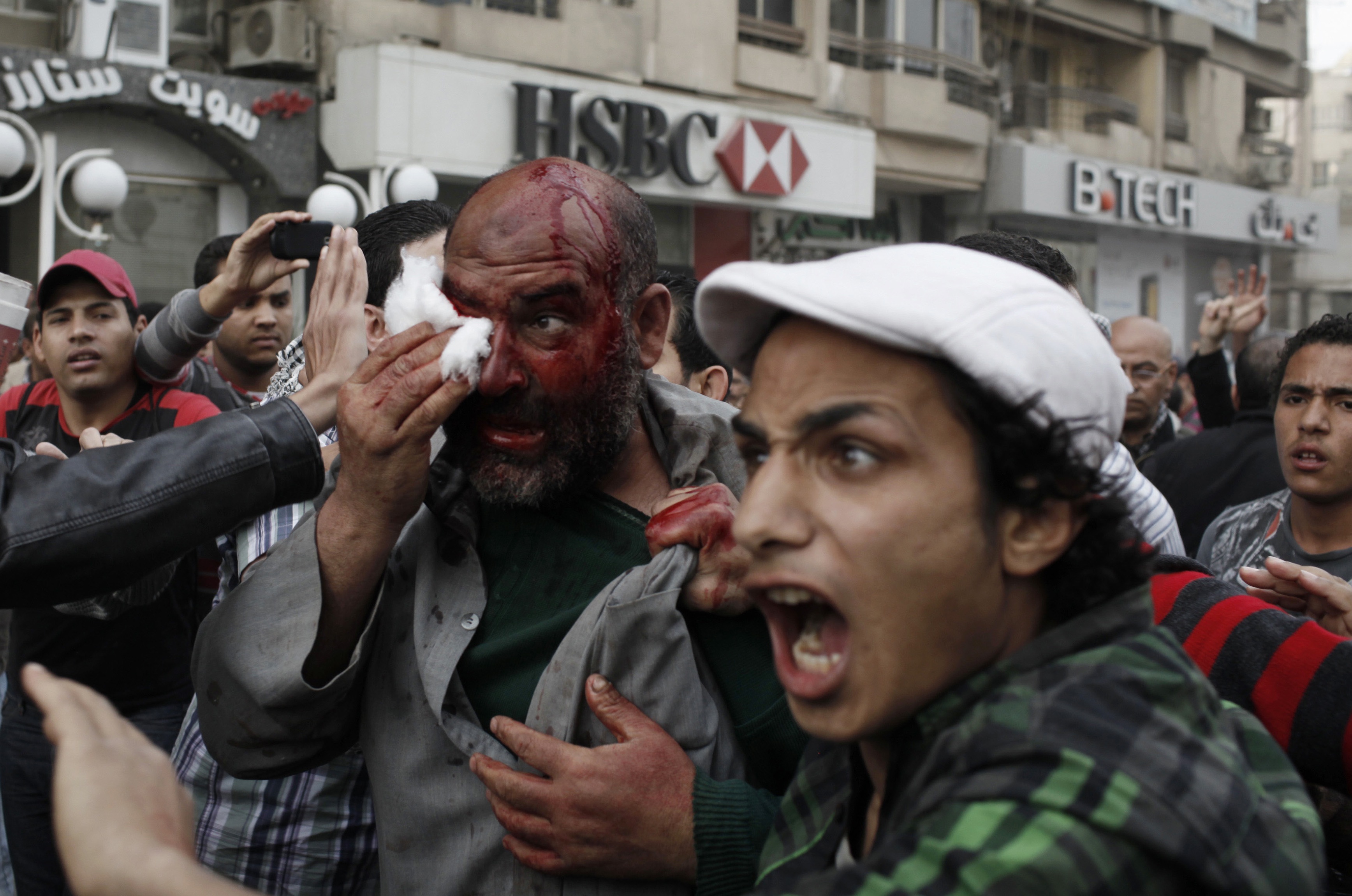
Elsewhere, Phil Donohue blamed his MSNBC firing on the bottom line, a reader contributed their own book dedications, Marc Champion revealed how banning horse slaughterhouses led to more animal suffering, and Eduardo Porter capped our fossil fuel use. Parents judiciously doled out screen time, Brian Ries scored a smart watch, Drum distinguished between software and the cloud, and Adam Alter dressed to impress in his OKCupid pic. A laser forged an unlikely alliance in the MHB, we waited for Obama in the VFYW, and an Egyptian protest turned bloody for a member of the Muslim Brotherhood in the FOTD.
– D.A.
Rest of the week below the fold.
Thursday on the Dish, Andrew foretold trouble for GOP if they continued their anti-gay rhetoric, felt optimistic about Francis’ influence on the Church, and provided a home for difficult pictures. In politics, conservative opponents of capital punishment hid in the shadows, congress trailed popular opinion on gay rights, and Charles Pierce railed on Ezra Klein’s “unmitigated codswallop.” While Obama visited Israel, his Israel speech wowed as Israelis and Palestinians diverged from a peace agreement. Elsewhere overseas, the Middle East heated up, Dahr Jamail showed us the human cost of the Iraq War, and Felix Salmon worried about Cyprus and the EU.
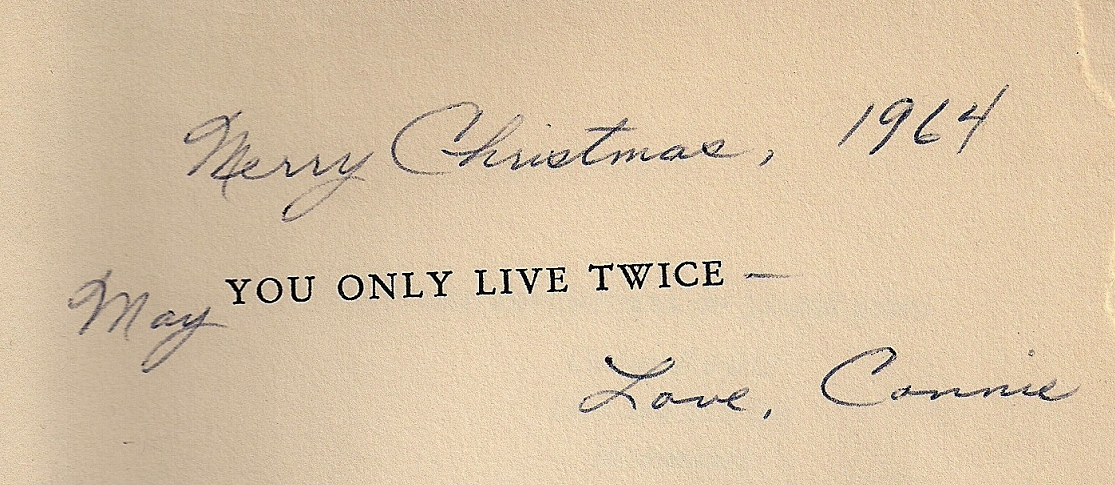
In assorted coverage, Kenneth Goldsmith transcribed history, publishing was always subject to the whims of the market, and we examined personalized book dedications. CentUp mixed micropayments and charity, Kyle Wiens wished that buying something meant you owned it, and Michael Hahn photoshopped a drone. As readers drilled down into the arguments on fracking, Eric C. Anderson looked to the stars for raw materials, and researchers miniaturized heart attack prevention. Fallows lost faith in Google products after Reader and Bozhan Chipev achieved equality through piracy as Twitter turned seven.
Meanwhile, Jenni Avins traced the rise of denim, Sharon Astyk spread the word about foster parenting, Emma Maris talked to the mellower marijuana crowd, while the last name debate crossed borders. Readers defended CNN’s Steubenville coverage, Sarah Palin made an appearance on Inside the Actors Studio, and Alyssa Rosenberg gave Iraq War movies a thumbs down for missing context. We waited for spring to come to England in the VFYW, Paulo Wang painted with CGI in the MHB, and a baby bengal bared its teeth in the FOTD.

Photo by Marc Israel Sellem-Pool/Getty Images
Wednesday on the Dish, Andrew struggled to come to terms with his support for the Iraq War, distinguished between Syria under Assad and Iraq under Us control criticized our marginalizing sectarianism in Iraq before the war, and waited for the NYT to come clean on their own role in the march to war. He viewed Obama’s Israel visit through the prism of Washington’s Farewell Address and could find no middle ground on Israeli settlements. Elsewhere, he called out closeted gays for their dereliction of duty and gave readers one more shot at picking Ask Me Anything questions.
In political punditry, Mark Kleiman removed the cultural divide from the marijuana debate while the NYPD wasted time on small-scale arrests. Seth Masket characterized party platforms as capable of evolution but not revolution, Ralph Reed separated doctrine from politics, and the White House threw out a red herring drone policy. A reader provided the mitigating context for Elizabeth Warren’s Moore Award Nomination as we weighed Rand Paul’s upside and updated nuclear policy for the post-Cold War era. In our continuing look back at the Iraq War, Karrar Habeeb chose not to memorialize the beginning of the failed Iraq War, while Richard Perle refused to look back and David Rieff rebuked those stuck in the neocon mindset. Overseas, Obama spread on the charm in Israel and Cyprus rejected the EU’s bailout deal.
In assorted coverage, opinion dominated the cable airwaves while CNN missed the point on the Steubenville rapists. Readers added some thoughts on fracking’s impact, Schneier pivoted from security to resilience. The Simpsons integrated itself into the fabric of our society, Reddit dumbed down complicated issues on YouTube, and Maureen O’Connor committed Netflix infidelity.
We polled readers on adopting a spouse’s last name as women bore the lion’s share of responsibility for messy houses, and Rajiv Srinivasan argued that veterans have it better now than ever before. Maurice Sendak penned his last book for lifelong fans, but David Cameron’s plagiarizing subterfuge was old news. We dug up the first Hathos Alert from the archives and backed our way through the MHB, an Angela Merkel effigy burned in the FOTD, and fog shrouded Santa Monica from view in the VFYW.
Tuesday on the Dish, Andrew pondered the Iraq War’s impact on American hegemony, glimpsed a second-best salvation for the GOP in activist judges, and was powerless to resist his beagles’ charms. In political coverage, Douthat preferred justice to humility in the Catholic hierarchy and conservatives raced to get their marriage equality endorsements in under the wire. While Chait revised his odds for immigration reform, Joe Romm raged against the idea of “reversible” climate change.
On the 10th anniversary of the Iraq invasion, we wondered whether the Arab Spring would have swept up Iraq, and parsed the current support for the Iraq War. We gathered stories from the ground and reflected upon the human toll of the Iraq War in the FOTD. While Frum and Greenwald debated Halabi, a war criminal tweeted, the US stopped training Iraqi police despite continuing civilian casualties, and Iraqi refugees chose between a rock and a hard place.
In assorted coverage, Orlando Cruz KO’ed expectations for an out boxer, readers took another look at taking names, and Sarah Marshall deflated America’s ego. Freddie deBoer traveled the long road home, Douglas Rushkoff maintained eye contact, and dog runners helped pudgy pooches slim down, while time crunches forced parents to make tough decisions and “Likes” replaced applause. Libraries faced a budget crunch, Evgeny Morozov praised imperfection, and a reader tired of our sponsored content coverage as Derek Thompson delivered some bad news for newspapers.
Elsewhere, vinyl wasn’t worth it for Jason Heller, Rob Thomas filled in the details on the Veronica Mars movie, Ursus Wehrli balanced order and chaos. As we tasted the “pie-in-the-sky”, reputation proved to be an important asset in the sharing economy, and App Academy invested in its students. As we reached back in the archives for our first hathos-filled MHB, recycling mesmerized in today’s MHB, we visited Austria in the VFYW, and arrived at Victoria Station in the VFYW contest.

Monday on the Dish, Andrew continued to work through Washington’s (and his own) failures leading up to the Iraq War, unpacked the latest polling data on marriage equality, and liked Francis as we filled in the details on his past. In home news, he dove into the details on our first month behind the meter and dissected the similarities and differences between the Dish and Veronica Mars.
In political coverage, Bill Clinton drastically underestimated the scope of the Iraq War, a Republican pot prohibitionist was forced out of the cannabis closet, and favorability for the death penalty declined in the face of bad PR. As Hillary voiced her support for equality, some readers saw an empathic deficit in Portman’s sudden reversal on same-sex marriage, while others cheered his progress. Overseas, the Cypriot financial sector struggled through the weekend, with potentially dire consequences for the rest of Europe.
Elsewhere, Bjørn Lomborg pointed out the irony of Earth Hour and we debated resurrecting recently extinct species. Technological advancements graduated from the Defense Department to your kitchen and banished UFOs. Rebecca Davis O’Brien brought us along on her morning commute, Greg Beato employed big data in hiring and firing, while Chris Albon felt tied down by the digital record. Christine Haughney showed us that quality still matters in journalism, Google Reader’s coming death opened up an opportunity for Twitter, and authors tried to game the Amazon rankings,
In arts and leisure coverage, Scott Tobias had his fill of formulaic documentaries, Steven Sodergbergh’s latest film twisted us around, and while sound engineers spun audio gold from everyday noises, we were left with unanswered questions about the explosion of the Death Star. Amanda Nazario walked us through a day in the life of a dog-walker-for-hire, diet soda may be to blame for ballooning waistlines, and whiskey makers stretched their boundaries. We crossbred a horse and a naked mole rat in the FOTD, framed a frost-covered tree in the VFYW, and Ze Frank instructed us on the finer points of fecal flirting in the MHB.

By Franco Origlia/Getty Images
This weekend on the Dish, Andrew marveled at Pope Francis’s first press conference, shared the latest installment of his debate with Hitch, asked if Krauthammer would offer a retraction, noted an egregious example of Instapundit’s use of sponsored content, and pondered the latest in Obama’s drone strategy.
We also provided our usual eclectic mix of religious, books, and cultural coverage. In matters of faith, doubt, and philosophy, Andrew Byers sought a more substantive spirituality, Adam Kirsch traced the invention of religion, and Rachel Aviv remembered when the gods fell silent. A.N. Wilson noted C.S. Lewis’s kinky side, Sam Tanenhaus profiled the controversial Catholic Garry Wills, and Marcus Mumford expressed ambivalence about the label “Christian.” The Pilgrims proved to be fond alcohol, Giles Fraser unpacked the secularized Christian assumptions behind the belief in progress, and Ed Voves highlighted the spiritual side of the Pre-Raphaelite painters. Theodore Dalrymple categorized the varieties of pessimism, Stephen Asma defended favoritism, and David P. Barash outlined the convergences between evolutionary biology and existentialist philosophy.
In literary coverage, Tocqueville became a surprise bestseller in China, Justin E.H. Smith praised George Saunders’s distinctly American idiom, and Andrea Barrett mused on the way writers don’t feel at ease in the world. Francine Prose rejected her 7th grade teacher’s writing advice, Alexis Coe looked at Virginia Woolf’s tumultuous relationship with her servant, and Sara Davis ruminated on how we portray death’s inevitability. Read Saturday’s poem here and Sunday’s here.
In assorted news and views, a reader sounded off on corporate feminism and the class divide, Evan Soltas described the graying of the workforce, and Jordan Weissmann wondered why private colleges need public money. Tessa Johnson revisited the first commonly prescribed tranquilizer, Christopher Ryan painted a dark picture of the future of human sexuality, and an adult film star gathered data about orgasms. Katie Arnoldi continued the conversation about cannabis not being so green, Matthew Power investigated the urban explorer movement, and Alex Cornell mapped ideal seating arrangements for dinner guests. MHBs here and here, FOTDs here and here, VFYWs here and here, and the latest window contest here.
– M.S. & D.A.

 The Dish
