“In Oval Mirrors We Cruise Through Touch-Me-Nots” by Dara Wier:
How a plant’s leaves close in waves when I touch them causes me
To love them. Is this because their green reaction satisfies a desire
To move something or be moved by powers to change things?
An oxalis moves to face the sun. Without fail at sunset oxalis closes its
Leaves. It seems as if they are keeping secrets, secrets we need
To take with us if only they’d let us in on their deep purple missions.
And when bittersweet vines daily climb unlikely paths it’s to them I look
For guidance wherefore might I go as they thread like camels through a
Needle’s eye. What? No. There are no camels on this page, there is no
Needle’s eye. I wonder whom I’m trying to fool. I wonder who’s listening.
Your voice turns my head in your direction. Your face closes behind your
Eyes’ sad shutters. Through their green slats vines fall to my feet. How
Carefully they begin to encircle my ankles, how tenderly they climb. By
Morning I’ll be hidden. You may or may not know me deep within them.
You have until noon on Tuesday to guess it. City and/or state first, then country. Please put the location in the subject heading, along with any description within the email. If no one guesses the exact location, proximity counts. Be sure to email entries to contest@andrewsullivan.com. Winner gets a free The View From Your Window book. Have at it.
Maria Popova points to “an unusual list of [Susan Sontag’s] likes and dislikes, on the one hand unordered like a stream-of-consciousness meditation and on the other bearing the cyclical repetition and cadence of poetry”:
Things I dislike: sleeping in an apartment alone, cold weather, couples, football games, swimming, anchovies, mustaches, cats, umbrellas, being photographed, the taste of licorice, washing my hair (or having it washed), wearing a wristwatch, giving a lecture, cigars, writing letters, taking showers, Robert Frost, German food.
Things I like: ivory, sweaters, architectural drawings, urinating, pizza (the Roman bread), staying in hotels, paper clips, the color blue, leather belts, making lists, Wagon-Lits, paying bills, caves, watching ice-skating, asking questions, taking taxis, Benin art, green apples, office furniture, Jews, eucalyptus trees, pen knives, aphorisms, hands.
More here. Earlier Dish on the appeal of lists here.
Maria Bustillos lovingly describes her favorite route:
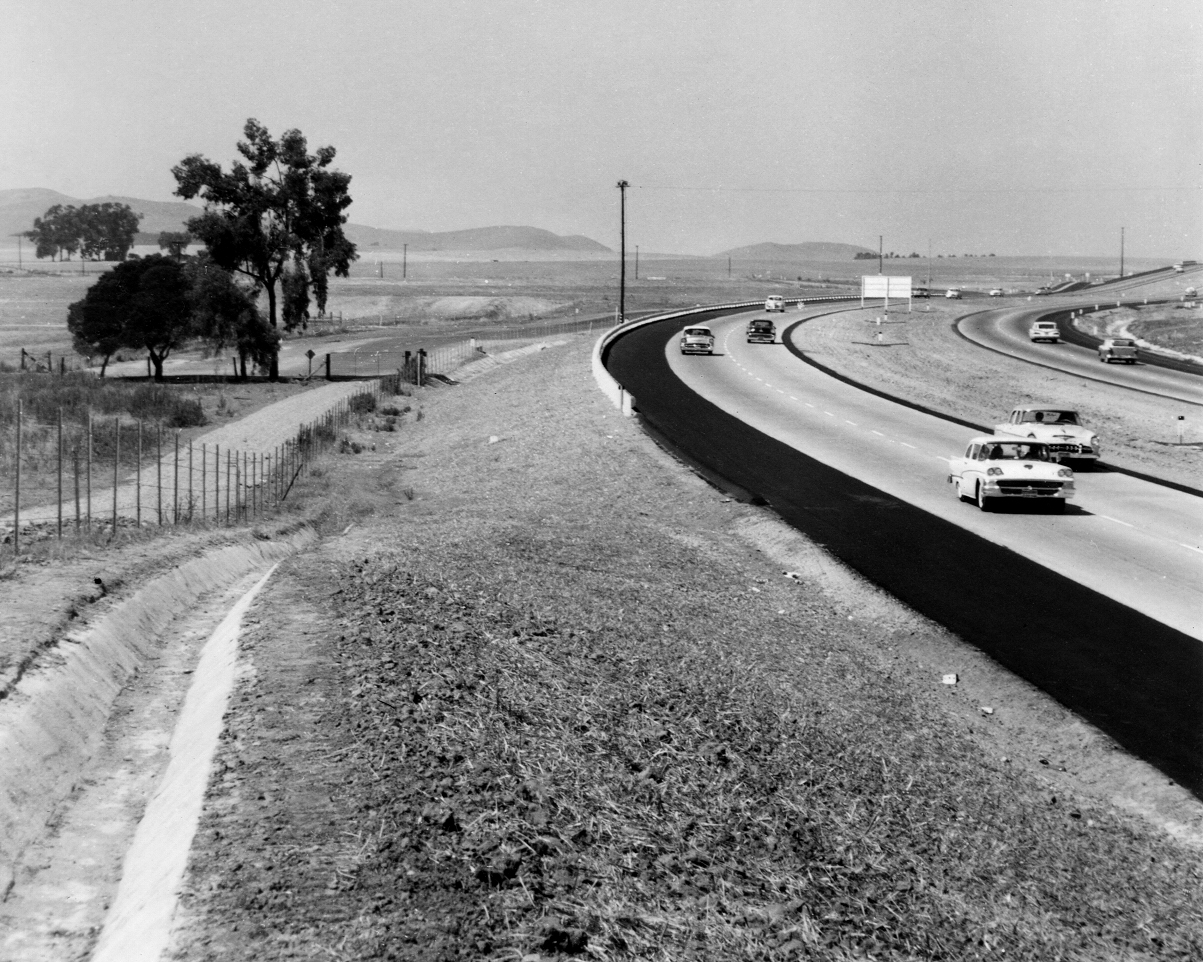
California natives always call it just ‘The Five’: not Highway Five or Interstate Five or I-5. The whole road is some 800 miles (1,200km) long, and is the only US interstate touching the borders of both Mexico and Canada. If, like me, you prefer to drive rather than to fly between Los Angeles and the Bay Area, the 400 or so miles along this route are the most distinctively Californian, the most revealing of the strange diversity of this landscape and its people, its terrible moral conflicts, and the weird vitality of its countless subcultures. The Five is unendingly rich and full of interest, despite all caricatures to the contrary; despite, or rather because of its glowing, gorgeous emptiness.
Once on the road, “the car becomes a meditation chamber”:
It all happens by itself. Breathing slows, the benevolent sky swells out, almost always a blue so pure, clean and enamelled that even worries of climatic catastrophe recede for a moment. Maybe there are some clouds, artfully arranged. Choose your moment to leave town — I like to leave at around 5am, just before rush hour — and there won’t even be any traffic to speak of. Just the white noise of the purring engine to amplify the calm, blissful silence, which will at last find its way into even the most stubbornly busy mind.
Dropping into the Central Valley from the mountains surrounding the Tejon Pass is like breaking open a petit four, getting past the glossy, pretty exterior: inside is the cake. The urban surfaces of California are what we see in movies and on TV: slick, manufactured, shouting, cajoling, bamboozling, seducing, ready to sell you something. And then the confected beauty of the city gives way; now the land reaches far out to the sky. Your ears pop from the pressure change, and a sign advises you that the next gas station is 19 miles off.
Miles Raymer assesses the unlikely success of Neutral Milk Hotel:
[This week], the indie-rock group Neutral Milk Hotel announced that it will be playing a series of live dates this fall. If you’re not familiar with the band (which would be forgivable considering the level of obscurity that they’ve maintained over the years), you might wonder why it is that this news is being breathlessly reported not only on blogs devoted to the exploits of obscure indie rock bands, but at major news outlets like USA Today and the Huffington Post. How is it, you might ask, that the reunion of a band who released two albums in the ’90s (only one of which anyone actually cared about), and broke up in 1999 to complete deafening silence outside of the small community of fans who’d flocked around the previous year’s In the Aeroplane Over the Sea, could be such a big deal? …
Neutral Milk Hotel’s breakup was, career-wise, the best move it could have possibly made. Without a band around to promote [In The Aeroplane Over The Sea], the album relied on word of mouth to find its audience, giving the burned copies of it that would pass from hand to hand a kind of samizdat allure, and making its discovery a more meaningful personal experience. (Neutral Milk Hotel and its fans are all about the meaningful personal experience.) And soon after the split, the group’s mastermind Jeff Mangum essentially went into hiding, which added a Salinger-like element of mystery and mythology to the entire package. The more that Mangum stayed underground, the more anticipation his fans had for the messianic return they imagined in their heads.
Robert W. Gehl wonders if there is any hope for haters:
One could imagine users getting a Love button. But we are not allowed to dislike. And herein lies a way out of the Like Economy. Dissent, dissensus, refusal are not easily afforded in Facebook. Dissenters have to work for it: they have to write out comments, start up a blog, seek out other dislikers. They are not lulled into slackivism or “clickivism,” replacing the work of activism with clicking “like” on a cause as if the sheer aggregate of sentiment will make someone somewhere change something.
Instead, frustrated dislikers must think through their negative affect and find ways to articulate it into networks of dislike. If dislike scares off brands, so be it. Brands aren’t going to fix the world’s problems – but the dislikers might.
Digital courtship is booming and has helped marriage rates over time. Doug Mack describes navigating that world after getting googled by a girl he met online:
She had indeed found the Real Me. Read my bio, my stories. Miracle of miracles, she wanted to continue the conversation—and to make things even, she offered a link to her own blog: “Since I’m stalking you and read your website, I thought I ought to reciprocate.” …
The Maren of our first few dates was charmingly sarcastic yet also reserved, in a way that I knew to be a product of the newness of our budding relationship—but the “doofy” photos offered a different view, a more vivacious woman, forever laughing, her brown hair framing gleaming eyes, a study in carefree verve. Where the woman of the online profile and a few face-to-face meetings had been a captivating line drawing, the photos and blog posts added the shading and texture and depth—the fuller, richer image, the details that really matter.
Friday on the Dish, Andrew skewered Ari Fleischer’s latest defense of the torture regime, confronted Bishop Tobin of Rhode Island over his remarks on his state’s legalization of gay marriage and called for the resignation of Newark’s Archbishop Myers over covering for pedophiles. He agreed with Jon Favraeu about Obama’s power to direct rather than dictate the political process, and answered criticism from readers.
Later, Andrew shook his head at the NYT throwing around the word “isolationism,” connected the dots between the GOP’s religious fundamentalism and climate denialism, noted another strike against Chris Christie’s standing with Republicans, and repeated Jamie Kirchick’s question, do we need GLAAD?
In political coverage, we rounded up reax to today’s jobs report, tracked the plight of the young and the jobless and analyzed the shortcomings of 401(k)s. Emma Sky pondered the future of Iraq and Rosemary Westwood tallied up the brutal economics of the global garment industry as evidence piled against the war on drugs. Wilkinson assessed Obama’s long game on Plan B, Ian Millhiser raised an eyebrow at Republican tactics on voter eligibility, sketched out the caricature of the NRA’s new president. Robin Dhar broke down the success of pay-what-you-want pricing, readers asked Josh Fox if there’s a safe way to frack, and one publisher saw no point to anti-piracy protection.
In miscellanea, we learned the power of online love, John McWhorter challenged the grammatical consensus, and we explained the pungent after-effects of asparagus. We came in contact with the underworld of foodism and watched the widening s cope of the word ‘disease’ as Emer O’Toole defended Anne Frank’s frank prose. Joanna Weiss considered TV’s effect on the modern villain as we got serious about the pig threat.
Elsewhere, we rattled off a lengthy correction from the NYT’s hipster chronicle, discovered more skeletons in the closets of Jamestown settlers and sampledBoss, the edgy, localized version of House Of Cards. We made a splash during the Face of the Day, reached new heights in Bad Lip Reading by talking dead in the MHB, and enjoyed Islamorada, Florida Keys in the VFYW.
–B.J.
The rest of the week after the jump:
Thursday on the Dish, Andrew posted a notice for a personal assistant, took a good look at what forced feeding is like at Gitmo, remained opposed to a mission into Syria despite the chemical weapons scare, and sighed at the ongoing obstacles to liberal democracy in the Muslim world. He echoed Rauch on the human and political value of immigration equality, rethought his mantra on masturbation, gave a timely shout out to Keynes and renewed his vows to his favorite disco duo.
In political coverage, we rounded up debate over the effects of Obamacare on Medicaid, studied the blowback on senators who sunk Manchin-Toomey, and a reader pushed back against our concern over gun ads featuring kids. Jonathan Rauch recounted his discovery of sexuality as a young boy as we considered the significance of Jason Collins’ coming out as a black man. Ann Friedman shined a light on the halfway house between editorial and advertising and both Chait and Ta-Nehisi dispensed some op-ed advice. Readers asked Josh Fox how feasible it will be to leave behind fossil fuels, Edward Glaeser proposed a libertarian means to progressive ends, Derek Thompson explained why CEO pay continues to balloon and readers took on McArdle’s retro-analysis of Bush v. Gore. Finally, as Ackerman doubted that sending weapons to rebels would break the Syrian stalemate, Piro reminded us of the struggles of our veterans back from combat.
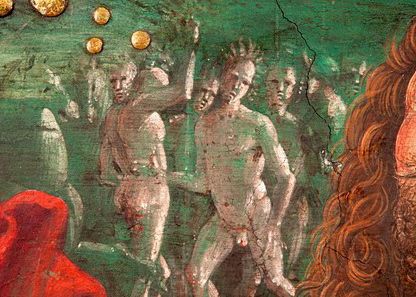
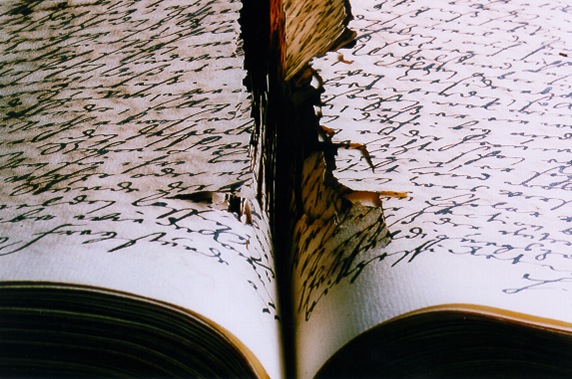
In miscellanea, a reader and a testy Alaskan responded to Brian Phillips’ trials on the Iditarod Trail, the band !!! confessed the penalties of aiming for obscure hipness, and we dug up two poseur alerts, one of them close to home. We tried to untangle America’s obsession with charity ribbons, peeked into the market of conspiracy mongering, investigated the potential boon cannabis might be to fighting HIV. Robert Zigger hawked quietude to those willing to trek the Sahara, furrowed our brows at the expulsion of a high school chemist. Readers cried out to save cursive and we played around with real atoms in the Cool Ad Watch. After the Vatican discovered Native Americans in the Face of the Day we ran Spongebob through the Pogo-filter in the MHB and gazed at Eagan, Minnesota in the VFYW.
Wednesday on the Dish, Andrew praised Rhode Island’s marriage equality bill for its solid balance of religious and civil liberty, puzzled over the GOP’s ongoing impotence on climate change, and cautiously noted a new report on the Tsarnaev story in the Mail (with good reason). Later on, he scrutinized the racy SEO strategies of digital media, tipped his hat to the NYT in light of their latest numbers, recoiled at Target’s fluorescent dystopia, and went shopping for hockey beards.
In political news and views, Nate Silver illustrated the GOP’s demographic transformation into a regional party while Douthat summed up their beef on healthcare and Sean Trende downplayed the effect of the civil rights era on the South’s Republican turn. Tim Murphy rounded up the local effects of sequestration across the nation, we followed up on the Obama administration’s conflicted stance on Gitmo, and Radley Balko sent a dispatch from a town in Arizona allowing civil unions. We revisited the road not taken on Bush v. Gore, took note of gun adverts geared toward kids, and readers asked Josh Fox if we may need fracking after all.
Elsewhere, Alix Spiegel explored the influence big brothers like Tamerlan Tsarnaev can have on their younger siblings, Mac McClelland examined the state of mental illness treatment in America, and we attempted in vain to untangle contradictory conspiracy theories. We surveyed the Arab world’s feelings on Mideast media and squared Vietnam’s strong record on gay rights with its poor human rights record overall as Charles Kennedy searched for a global income floor. Meanwhile, IBM harnessed cell phone data for a better public transport system and readers sounded off on small town drug addiction.
In assorted coverage, Paul Miller stepped back into the web after a year of self-deportation, we workshopped sex in Palestine, and readers offered their own tips on the subject of condoms and their discontents. We browsed galleries of more Wal-Mart and Target art, picked up on the little quirks of literary greats and spotlighted a barnyard Kickstarter worth your time. Patrick West pined for the album art of old, novelist Ben Greenman praised the paintings of Amy Bennett and Hugo Macdonald wrote in favor of small living space. We questioned the value of keeping cursive, writhed around to some hot, hot hathos and gazed out at a snowy Yankton, South Dakota in the VFYW.
Tuesday on the Dish, Andrew let loose on the continued degrading effects of Gitmo on America, wondered at the etch-a-sketch mentality of McCain and Butters on injecting America into Syria’s war, and took note of the absurd minutiae of the sectarian Mideast. He considered whether Obama has shackled his economic legacy to the fate of the sequester, meditated on the once and future form of blogging, and groaned at the ongoing effects of prohibition on medicinal shroom study. Later on he batted away the taboo on talking condoms and good sex and cringed at video of an airplane crash in Bagram.
In political coverage, we noted the enduring effects of the “yellow cake” snafu in debating Syria’s chemical weapons and Steve Coll warned of drone blowback as Rauch investigated our obsession with medical interventions. We sensed some vibrations in the market for pot lite, Phillip Smith connected PTSD with the healing effect of marijuana, and readers asked Josh Fox how he ended up in the anti-fracking movement. We realized the effect Nixon had on presidential privacy, uncovered psychological prints of natural prejudice and observed the evolutionary desire for basic equality. John Gray situated Marx in his proper place and time, Frum perked up at the drop in American homelessness, a Republican strategist spoke a vision of gloom and doom for the GOP and Dana Mackenzie perused formulas for justice.
In assorted coverage, Kevin Hartnett sized up the largest festival on Earth, William Germano proposed a looser, more bloggy academia, and DL Cade surveyed air crash art. We got to know the significance of oncoming datafication, spotlighted a grim commercial of botched suicide in the Creepy Ad Watch, and Tim Frenholz watched art imitate life in Sim City. Things got volcanic in the answers to this week’s VFYW contest, Daniel Kramb sampled fiction of our hot, crowded future and Laetittia Barbier tracked the grim history of wax museums. Finally, we cranked a Tom Waits/Cookie Monster mashup for the MHB, met the property owner of Bangladesh’s collapsed factory in the Face of the Day and looked out over Rome, Italy for the VFYW.
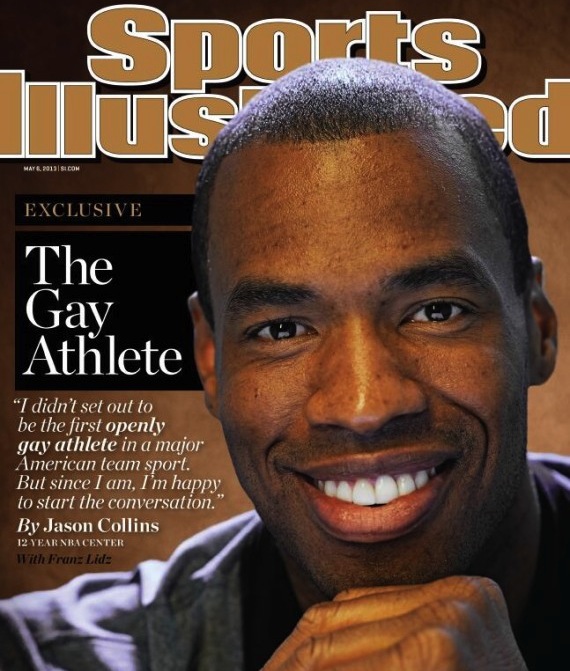
Monday on the Dish, Andrew praised the words of Jason Collins and didn’t buy Charles Barkley’s explanation for why so many athletes stay in the closet. He also pondered America’s next move in Syria in light of the news of chemical weapons, echoed Joe Biden’s call for the torture report, and recognized that the struggle of our time is not against religion but its militant strains. Elsewhere, Andrew, testified to the democratic power of the Internet and sighed at the reunion of Ron Paul and his ugliest comrade, while Brian Phillips’s brush with frosty death touched off Andrew’s own personal story of a friend’s demise.
In political coverage, we parsed the politics of sequestration, gathered reax to Jason Collins’ coming out, and got a better sense of how the upper crust finds work in tough times as Matthew O’Brien despaired over Spain’s labor market. We didn’t find much in the Tsarnaev’s Svengali connection, Bostonians didn’t take kindly to Alex Jones Corps, and Pete Wehner earned an Yglesias Award nomination for calling out Palin-pathos. Rebecca Rosen found a way to bust PR copy in the news, Michael Wolff delivered a prognosis for the NYT Book Review, and Joshua Rothman provided a heuristic account of grad school. Finally, we measured the economic benefits of biodiversity as EJ Graff suggested decentralization for the Boy Scouts’ policy on gays.
In assorted coverage, Graeme Wood took on Sam Harris in jiu-jitsu, Gavin McInnes took a melodramatic trip on pot, and readers asked Rod Dreher where cancer fits into God’s design. We checked Facebook’s status updates en mass, Ann Curzan noted the linguistic significance of ‘slash,’ robots tugged at our heartstrings, and we discovered that good taste is a matter of practice.
Jay Griffiths took William Golding to task, readers wrote in their recommendations for female hitchhiker-lit, and David Mikics relayed the story of history’s final blood libel case. We read an unnerving account of a radically controlling fiancé and registered concern over modern man’s vanishing virility, while Scandinavians glugged the most coffee worldwide. We caught sight of a wounded woman following a gas blast in Prague, an older bro spun tricks for the MHB, and peeked at Pittsburgh for the VFYW.
Last weekend on the Dish, we took a break from politics to provide our usual eclectic mix of religious, books, and cultural coverage. In matters of faith, doubt, and philosophy, Gary Greenberg questioned psychiatry’s claims to be scientific, Barry Schwartz told us why we should settle for good enough, and Thomas de Zengotita offered an incisive critique of evolutionary psychology. Anne Kingston examined the mainstreaming of Buddhist mindfulness, Shel Silverstein described what God’s love feels like, and Richard Wolin pondered the dangers of monotheism. Christopher Hutton argued that to doubt is Christian, Vatican doctors gave their stamp of approval to JPII’s second miracle, Jim Holt thought the was universe wasn’t beautiful, and Adam Gopnik reflected on a parent’s love.
In literary coverage, Ernest Hemingway ruminated on the writer’s life, Flannery O’Connor noted why Southern writers love freaks, and Terrence Malick assigned books to his cast and crew. Mary Mann praised the cantankerous writing style of Max Beerbohm, Daniel Matthew Varley compared William Styron and DFW on despair, and wine turned out to be connected to writing in more ways than we realized. Will Glovinsky considered on attitudes toward crowds in literary history and digital modernity, Robert Frost didn’t hit it off with Ezra Pound, and Tony Hoagland suggested changes to the poetry curriculum. Victorian marriages were not something to aspire to, John McWhorter analyzed the linguistics of texting, and Jennifer Szalai investigated the various iterations of Oprah’s book club. Read Sunday’s poem here.
In assorted news and views, Viola Gad chemically-enhanced her dating life, researchers connected attractive voices to what they might indicate about the rest of a person’s body, and Jim Giles appraised Wikipedia’s demographics. Adam Baer reviewed the new Hummingbird music-notation system, Francie Diep reported on a creative way to increase the efficiency and bring down the cost of solar power, the U.S. government hoarded narcotics in the lead-up to WWII, and J. Hoberman saw a new installation at the Metropolitan Museum of Art, Street. MHBs here and here, FOTDs here and here, VFYWs here and here, and the latest window contest here.





 The Dish